Introduction
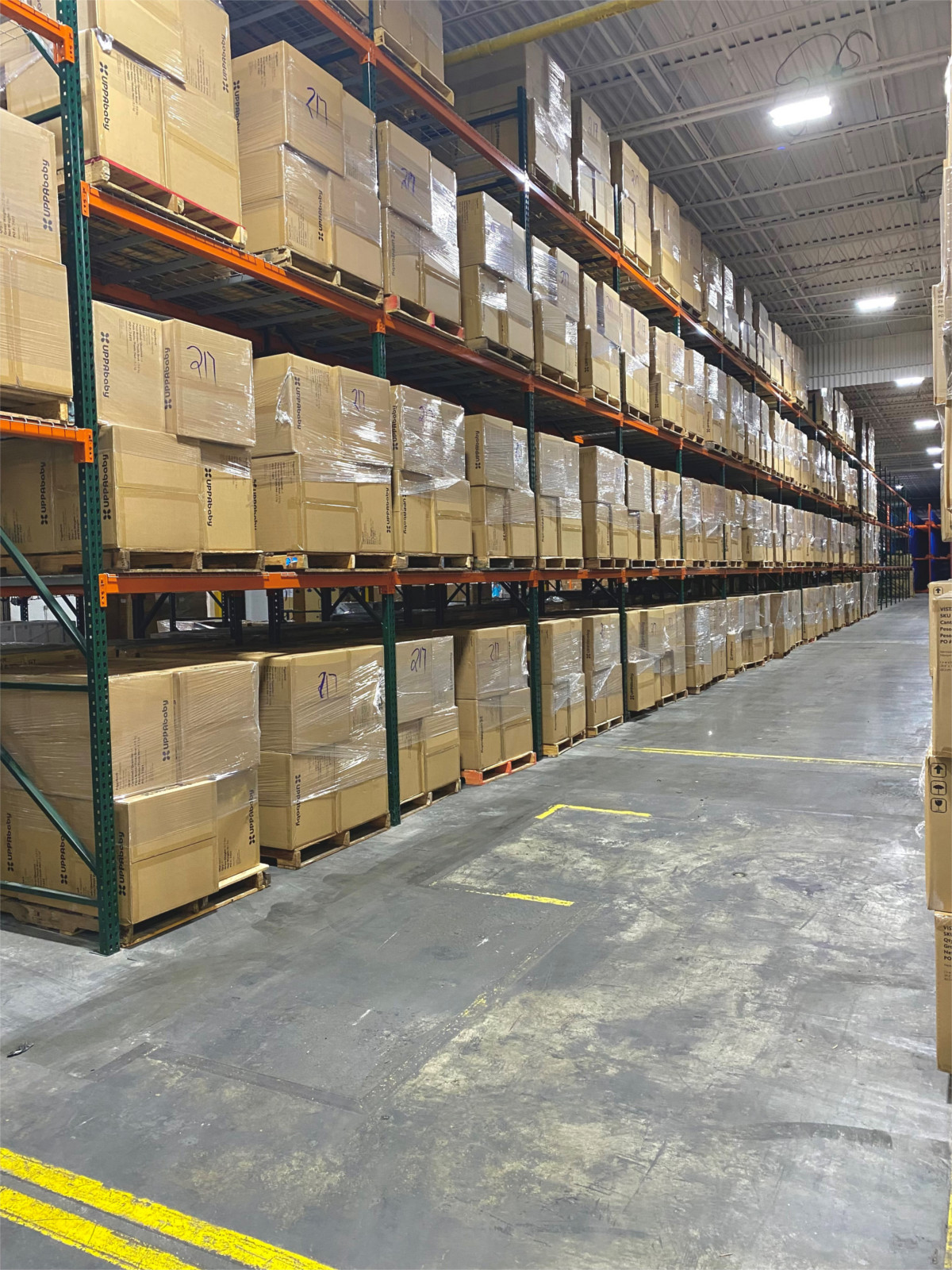
Warehousing plays a crucial role in instant freight shipping, as it enables businesses to store goods and efficiently manage the flow of inventory. This process involves organizing, managing, and controlling the storage of products, raw materials, and finished goods in a secure and accessible manner. In this essay, we will discuss the importance of warehousing in instant freight shipping and the various aspects of managing warehouses effectively.
The Role of Warehousing in Cargo Freight Express
Warehousing is essential for instant freight shipping as it facilitates the storage and management of goods. It allows businesses to maintain a steady supply of inventory, ensuring that products are available for shipping when needed. The primary objectives of warehousing in instant freight shipping are:
- Efficient storage: Warehousing enables businesses to store goods in an organized and easily accessible manner. This ensures that products can be retrieved quickly and efficiently, reducing the time it takes for goods to be shipped to their destination.
- Inventory management: Warehousing enables businesses to effectively manage their inventory, ensuring that products are available when needed. This includes tracking inventory levels, monitoring stock rotation, and maintaining an accurate record of products in storage.
- Cost reduction: Warehousing can help businesses reduce costs by allowing them to store goods in bulk, which can lead to discounts from suppliers. Additionally, warehousing can help businesses save on transportation costs by consolidating shipments and optimizing routing.
- Quality control: Warehousing provides a controlled environment for storing goods, ensuring that products are stored in a safe and secure manner. This can help prevent damage to products and maintain their quality until they are shipped to customers.
- Flexibility: Warehousing allows businesses to respond quickly to changes in demand, enabling them to ramp up or down production as needed. This can help businesses stay competitive in the market and meet customer needs more effectively.
Aspects of Managing Warehouses Effectively
To ensure that warehousing effectively supports instant freight shipping, several aspects need to be managed effectively. These include:
- Warehouse layout and design: The layout and design of a warehouse should be optimized to facilitate efficient storage and retrieval of goods. This includes creating designated areas for specific products, using appropriate storage equipment, and ensuring that aisles are wide enough for easy access.
- Inventory management systems: Effective inventory management systems are crucial for tracking and managing the flow of goods through the warehouse. These systems should be able to accurately record inventory levels, monitor stock rotation, and provide real-time information on product availability.
- Material handling equipment: Appropriate material handling equipment should be used to ensure the safe and efficient handling of goods in the warehouse. This includes forklifts, pallet jacks, and conveyor systems, among others.
- Workforce management: A skilled and well-trained workforce is essential for the smooth operation of a warehouse. This includes hiring and training workers, setting performance standards, and ensuring that employees are adequately supervised and supported.
- Warehouse safety: A safe warehouse environment is essential for preventing accidents and ensuring the well-being of workers. This includes implementing proper safety protocols, providing appropriate personal protective equipment, and regularly inspecting the facility for potential hazards.
Conclusion
In conclusion, warehousing plays a critical role in instant freight shipping by enabling businesses to store goods efficiently, manage inventory effectively, reduce costs, maintain product quality, and respond quickly to changes in demand. To ensure that warehouses operate effectively, it is essential to manage various aspects such as layout and design, inventory management systems, material handling equipment, workforce management, and warehouse safety.
Authoritative Reference Titles:
- “Warehousing and Logistics: A Strategic Perspective” by Robert A. Delmar
- “Warehouse Management: A Complete Guide to Materials Management, Logistics and Supply Chain Strategies” by Robert A. Delmar
- “Warehouse and Distribution Center Management: A Guide to Improving Efficiency and Reducing Costs” by Robert A. Delmar
In these authoritative references, the importance of warehousing in instant freight shipping, the various aspects of managing warehouses effectively, and the role of warehousing in supply chain management are discussed in detail. These references were used to provide a comprehensive understanding of the subject matter and to support the information presented in this essay.